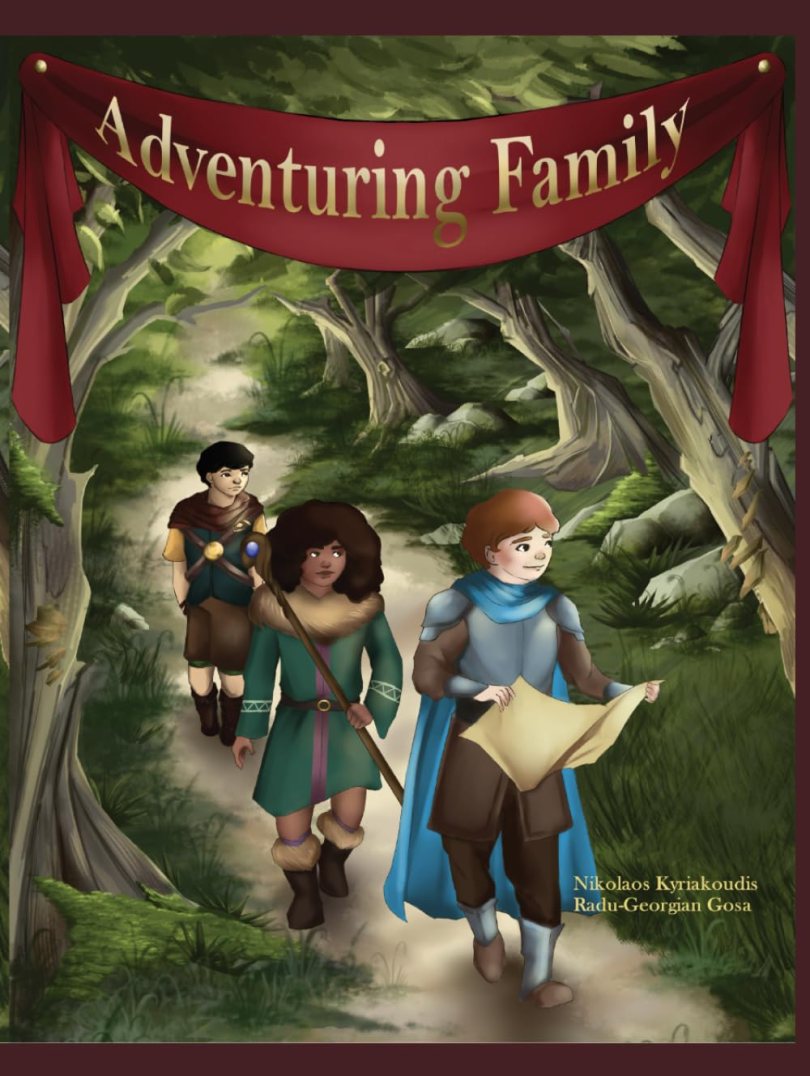
A family-friendly RPG with a deeper purpose.
If you enjoy adventures that bring parents and children to the same table, then Adventuring Family is worth taking a look at, or two. Its purpose is to introduce the younger ones to the tabletop hobby, with a d6 system that is less focused on complex mechanics and more on storytelling, creativity and memorable moments. Another work by the Adventuring Family is The Festival of Spring Eggs, which we have previously reviewed.
Disclaimer: We were provided with a review copy of this product.
Content Chapter by Chapter
The book is organised into 12 chapters, starting with The Game, which is an introduction to the game. It provides information on how to use the book, general tips especially valuable for first-time game masters, and even the option to avoid using the dice mechanic (by using half the die’s value). There is also a session 0 section, with examples of possible questions to ask to get to know the players and make them feel comfortable right from the start.
The next chapter is Overview of Mental Conditions. It discusses ADHD, ASD, Asperger’s, learning, and emotional problems caused either by divorce or bullying, with guidelines on how to adapt the game and create a safe and positive atmosphere for all. This gives the book a much deeper purpose, as it feels like a family therapy role-playing game, providing a supportive space for children and families dealing with those challenges.
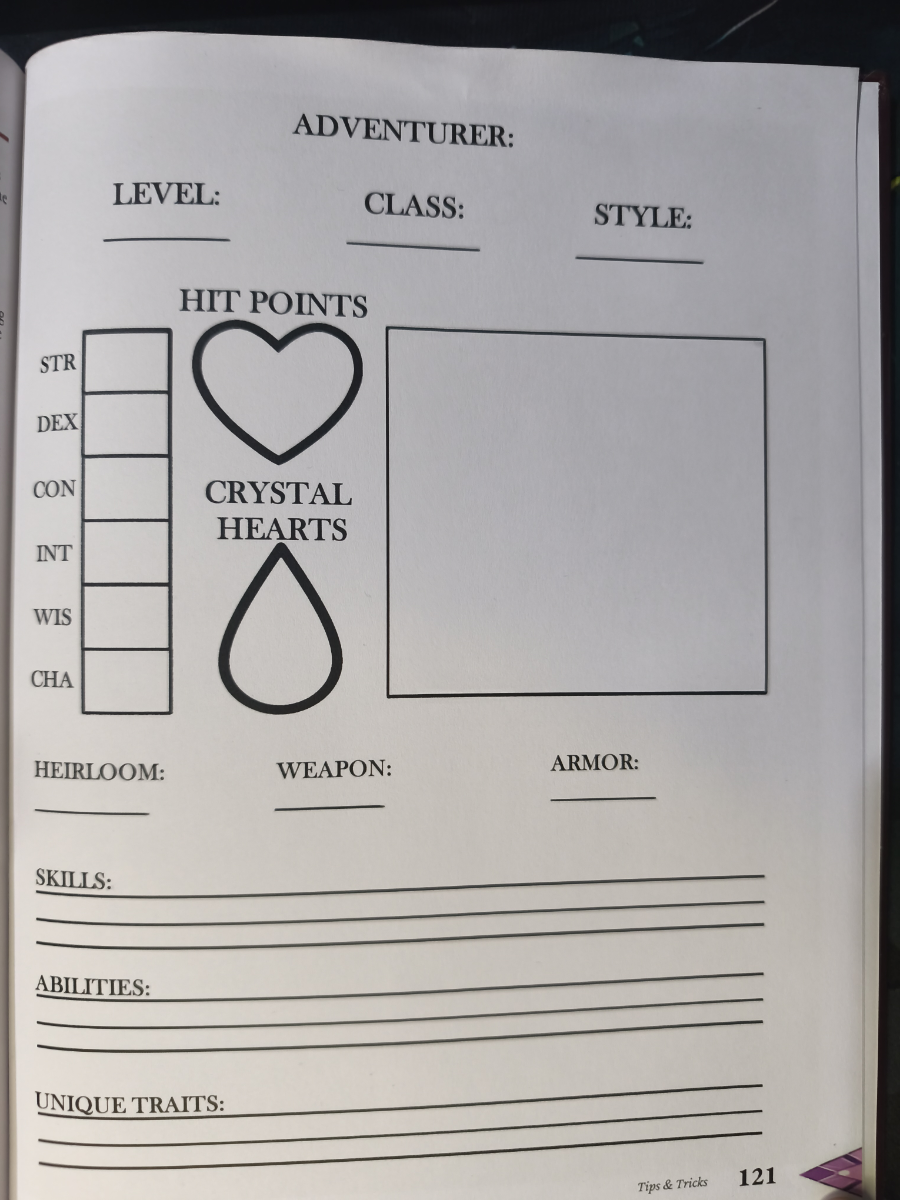
Chapter 1 explores character creation, while keeping things simple so that young players are able to build their heroes without feeling overwhelmed. Three background choices are provided, followed by skills, attributes, abilities, attack and damage. An interesting note here is that players can learn skills from each other, strengthening their bond and feeling of belonging. Then, we have six classes: the knight, the bard, the cleric, the martial artist, the druid, the rogue, the ranger and the wizard. Each class comes with its own illustration and play style to choose from, accompanied by unique traits. There are also examples of characters from books and movies to help the players decide what to play.
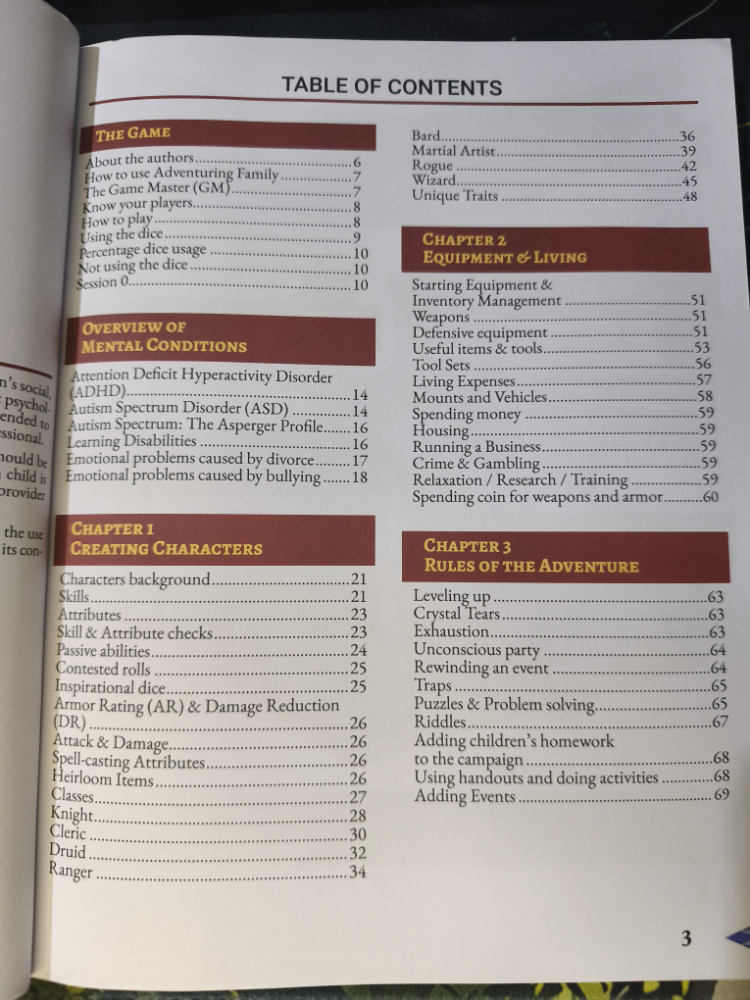
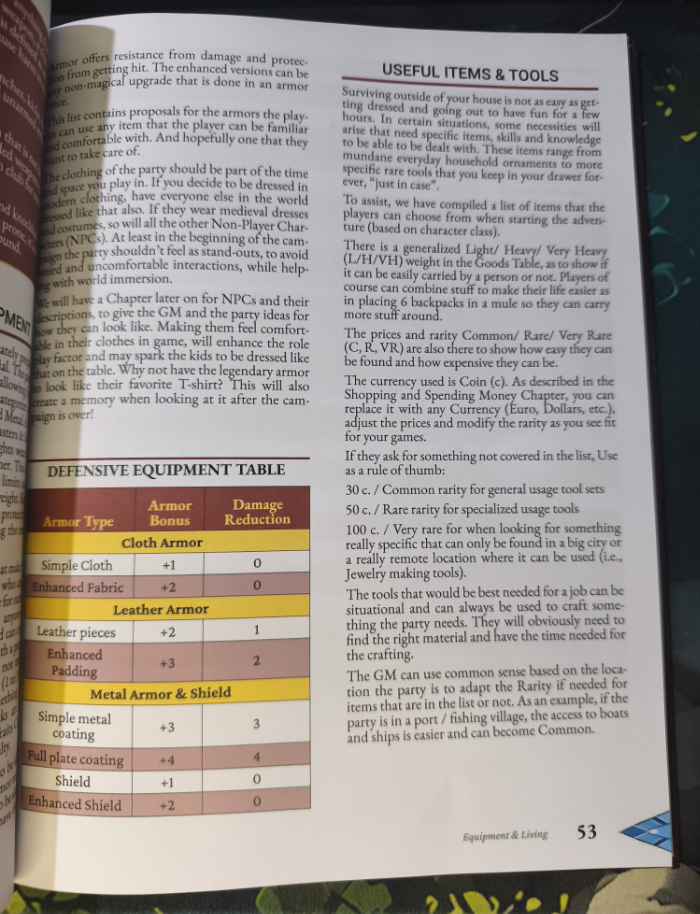
Chapter 2 introduces the inventory and economy system. Items are split into categories by their weight, and players have a specific weight limit to manage what they can carry. Tables are included for weapons, defence and other equipment, tools, and also mounts and vehicles, along with financial information on living expenses.
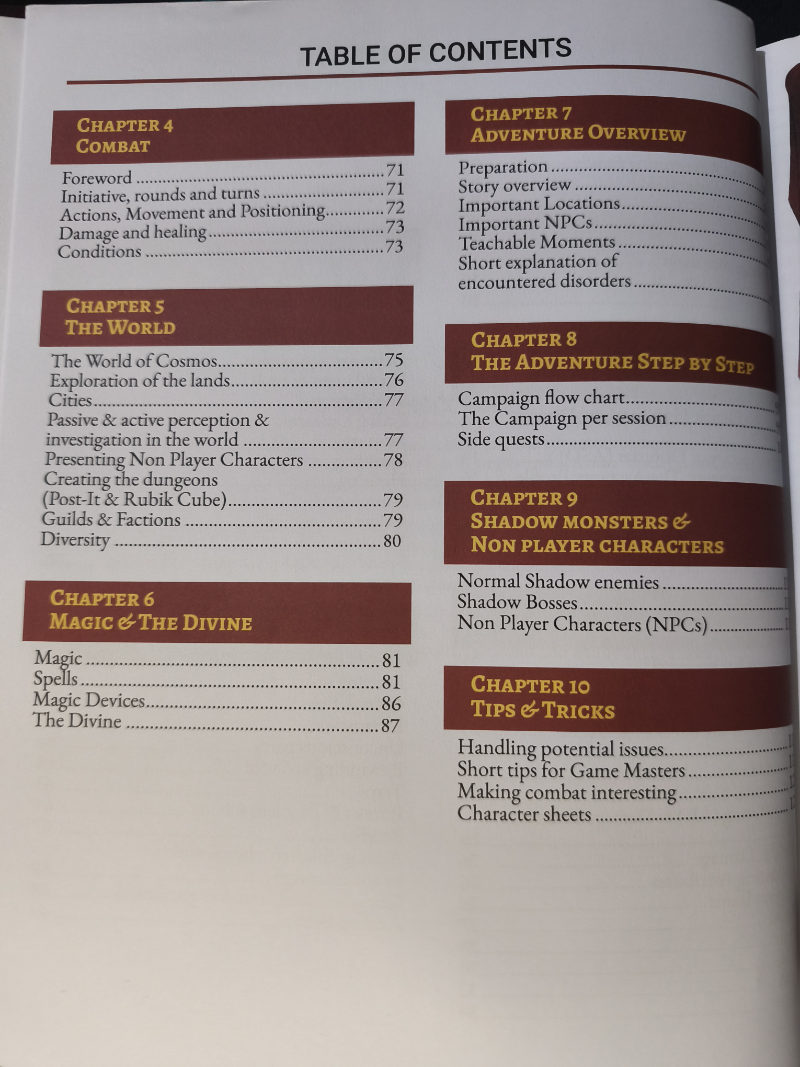
Chapter 3 presents the rules of the adventure, and apart from the levelling up and exhaustion information, it includes a mechanic to encourage creativity and kindness, and time rewind, which, as the name implies, rewinds an event if the GM decides to do so. Then, traps and puzzles are explored, with guidance on how to add homework to the campaign in a non-boring way and enhance each session by using physical items and real-life activities for extra immersion.
Chapter 4 is all about combat, explaining how initiative, turns, and rounds work. It describes movement and positioning, along with damage and healing, and covers certain conditions such as charm, fright, and stun.
Chapter 5 thoroughly describes the world of this campaign, with its locations and cities, while encouraging customisation. Then there is guidance on how to present NPCs and create dungeons, suggesting post-it notes and a Rubik’s Cube for visual organisation. Lastly, you will find information on guilds and functions in the world.
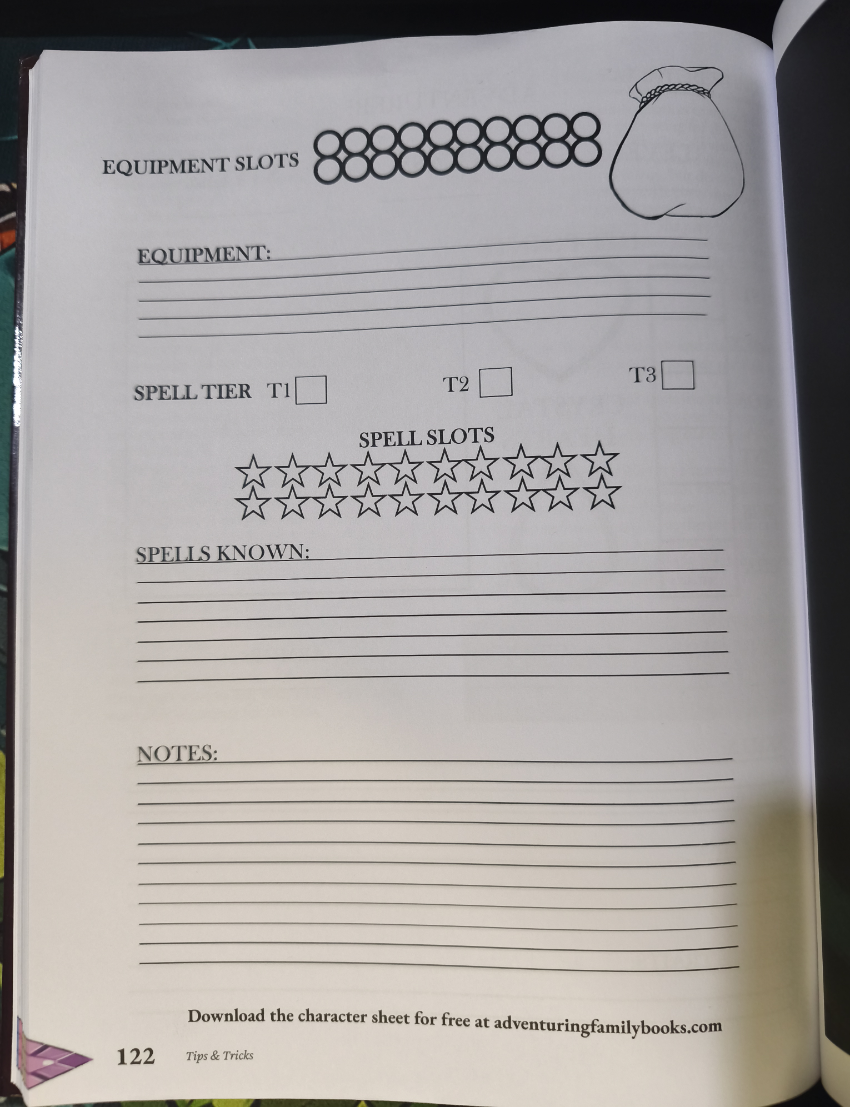
Chapter 6 is where the magic comes into play. It presents spells, magic devices, and the divine with a note that if you don’t want to involve religion, you can totally skip religious elements from the game.
Chapter 7 serves as an overview of the adventure, explaining the story setup and introducing therapeutic games that are tools for emotional growth and communication.
In Chapter 8, the actual adventure is presented step-by-step, split into sessions so that the GM knows exactly what to plan for each session. I find this very helpful for beginners who may feel intimidated by long campaigns.
Chapter 9 introduces the monsters. All enemies appear as shadows, usually in the form of humanoids or animals. Shadows are divided into two types: melee and ranged, to keep things simple but effective.
Last but not least, Chapter 10 offers tips and tricks to assist game masters when dealing with common issues like boredom, lack of understanding and even conflicts, enhancing the guiding theme of the book.
Layout & Art
The book’s layout is clean and follows the two-column style. I find it easy to follow, which is especially important as it is aimed at families and new game masters. It is divided into logical chapters, with enough visual highlights that make important information easy to spot. Its overall presentation and the step-by-step structure help the reader move smoothly between the rules and real-life advice.
As mentioned before, each class comes with its own illustration, helping young players connect with their characters. The illustrations are welcoming, which fits the family-themed approach perfectly. The book is not trying to impress using extravagant visuals; it wants to be useful and feel like a supportive toolkit.
Final Thoughts
Overall, Adventuring Family tries to make the tabletop roleplaying safe, fun and welcoming for families, and I believe it totally succeeds. The valuable guidance transforms it into more than just a game, making it a good starting point for first-time game masters, parents and educators. It helps adults understand that their role is to empower and not control the children by providing guidelines and support, while helping kids share their experiences with them in a safe space.
Stay crafty and let the family adventures begin,
Your new favourite author.
Join Our Mailing List
Do want…
- Extra content?
- Discounts?
- Updates about all our work?
This post contains affiliate links. By using them, you support the blog without any extra charge being applied to you.

